

Best OCR for Persian, tested
Gemma 4 26B (Google), via Runemic made the fewest mistakes on 8 Persian test pages: 3.1% of characters wrong. Almost all of its errors are on one page, Poetry in Nastaliq (Hafez, ghazal 1), with 24.7% wrong; on the other 7 it made no character errors. Results for 6 OCR engines, on the versions listed below. These are the Persian results of RuneBench, our open OCR benchmark; 8 pages is a small test.
Made by Runemic Runemic made this test, and three of the models are served through the Runemic API. The pages, the scoring code and every engine's output are public, so you can check it.
| # | OCR engine | Runs on | Character errors | Word errors | Failed pages |
|---|---|---|---|---|---|
| 1 | Gemma 4 26B (Google), via Runemic open model, served by the Runemic API · preview-gemma-4 |
API | 3.1% | 4.9% | – |
| 2 | EasyOCR Jaided AI · 1.7.2 |
CPU or GPU | 7.2% | 42.6% | – |
| 3 | Llama 4 Scout (Meta), via Runemic open model, served by the Runemic API · preview-llama-4-scout |
API | 7.7% | 9.9% | – |
| 4 | PaddleOCR Baidu PaddlePaddle · 3.7.0 |
CPU or GPU | 9.6% | 26.6% | – |
| 5 | Tesseract open source (originally Google) · 5.3.4 |
CPU | 17.9% | 28.6% | – |
| 6 | Mistral Small 3.1 (Mistral AI), via Runemic open model, served by the Runemic API · preview-mistral-small |
API | 18.5% | 31.6% | – |
Lower is better. Character error rate: the share of characters the engine got wrong, left out or added, compared with the correct text. Averaged over the 8 pages.
Character errors on each Persian test page
| OCR engine | 1 | 2 | 3 | 4 | 5 | 6 | 7 | 8 |
|---|---|---|---|---|---|---|---|---|
| Gemma 4 26B (Google), via Runemic | 0.0% | 0.0% | 24.7% | 0.0% | 0.0% | 0.0% | 0.0% | 0.0% |
| EasyOCR | 1.3% | 1.8% | 9.8% | 16.1% | 2.1% | 13.8% | 11.0% | 1.9% |
| Llama 4 Scout (Meta), via Runemic | 0.0% | 1.1% | 58.7% | 0.0% | 0.5% | 0.0% | 1.2% | 0.0% |
| PaddleOCR | 0.0% | 1.1% | 47.7% | 16.8% | 2.7% | 2.7% | 5.2% | 1.0% |
| Tesseract | 3.4% | 1.4% | 43.8% | 53.1% | 7.0% | 22.8% | 7.5% | 3.9% |
| Mistral Small 3.1 (Mistral AI), via Runemic | 0.4% | 48.0% | 54.0% | 40.6% | 0.0% | 0.0% | 5.2% | 0.0% |
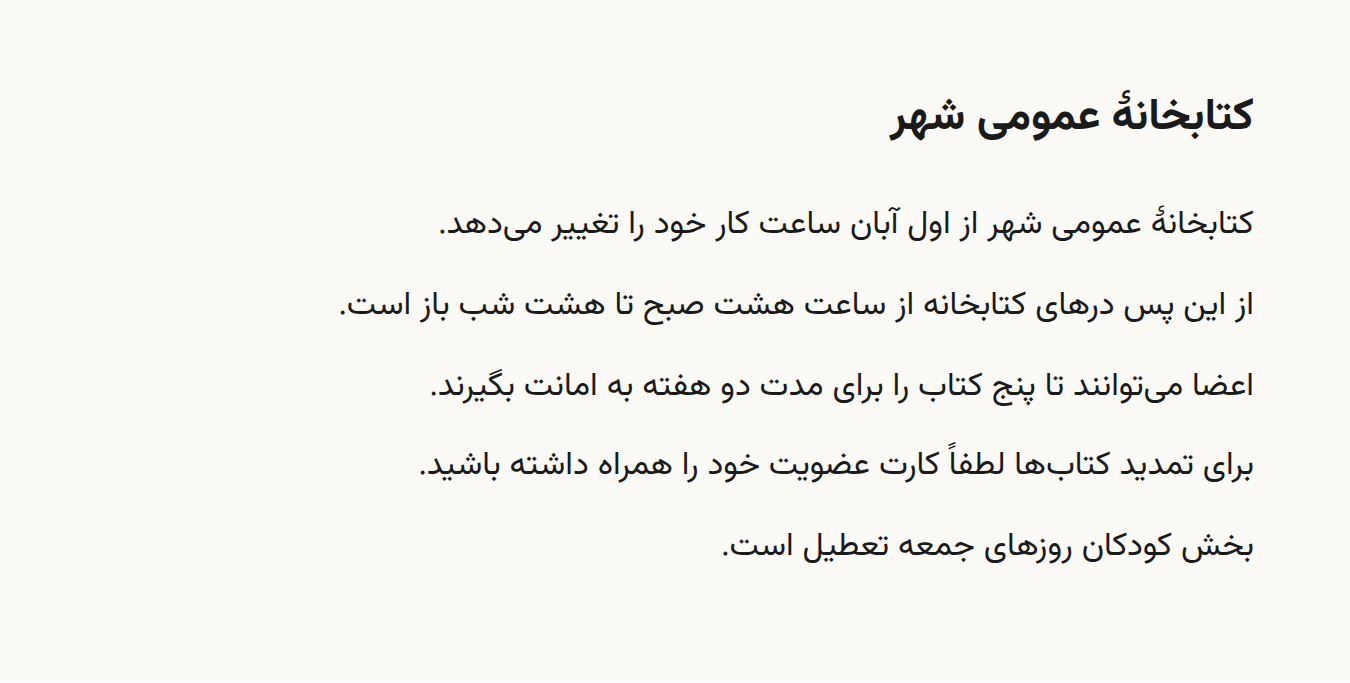
- 1 Modern prose, clean, Vazirmatn
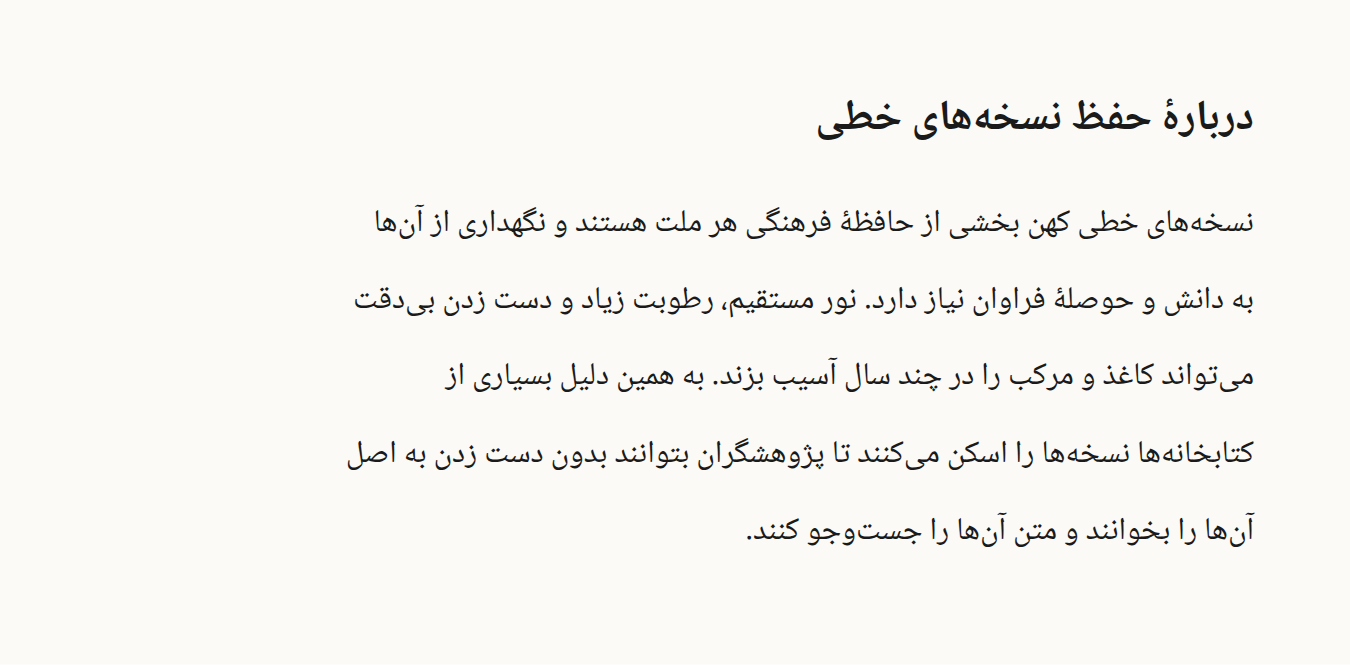
- 2 Modern prose, Noto Naskh (book font)
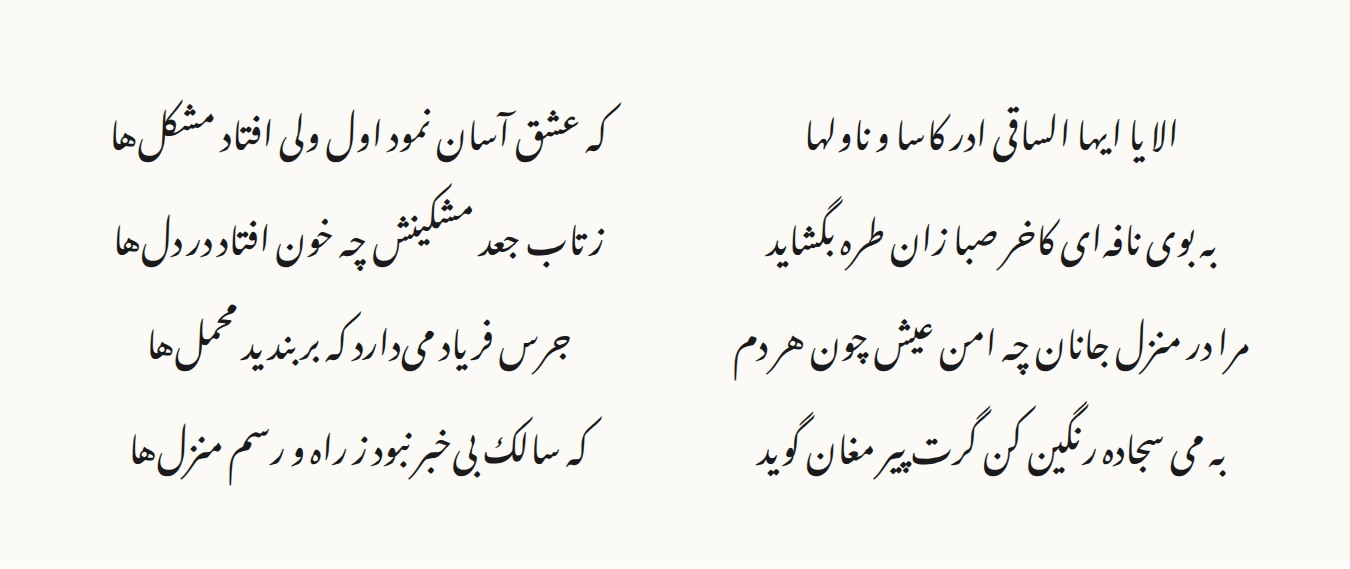
- 3 Poetry in Nastaliq (Hafez, ghazal 1)
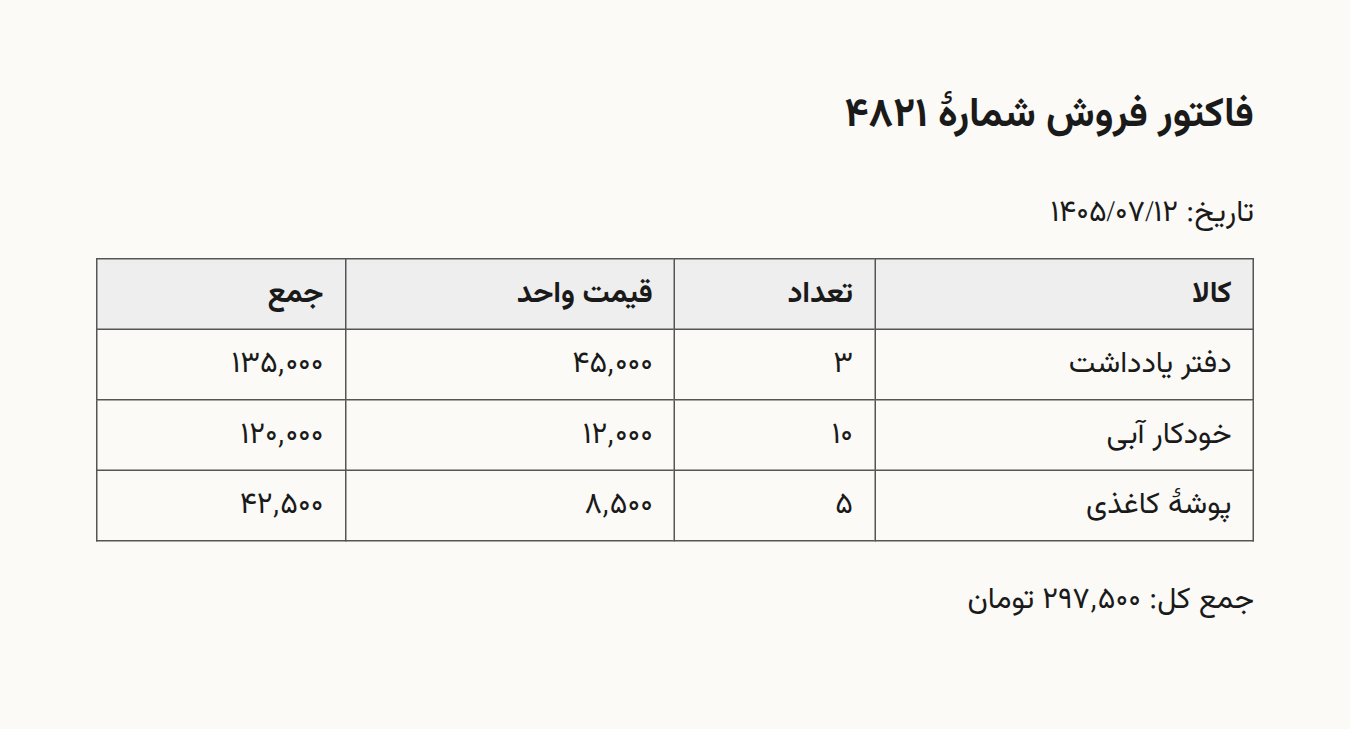
- 4 Table with Persian digits
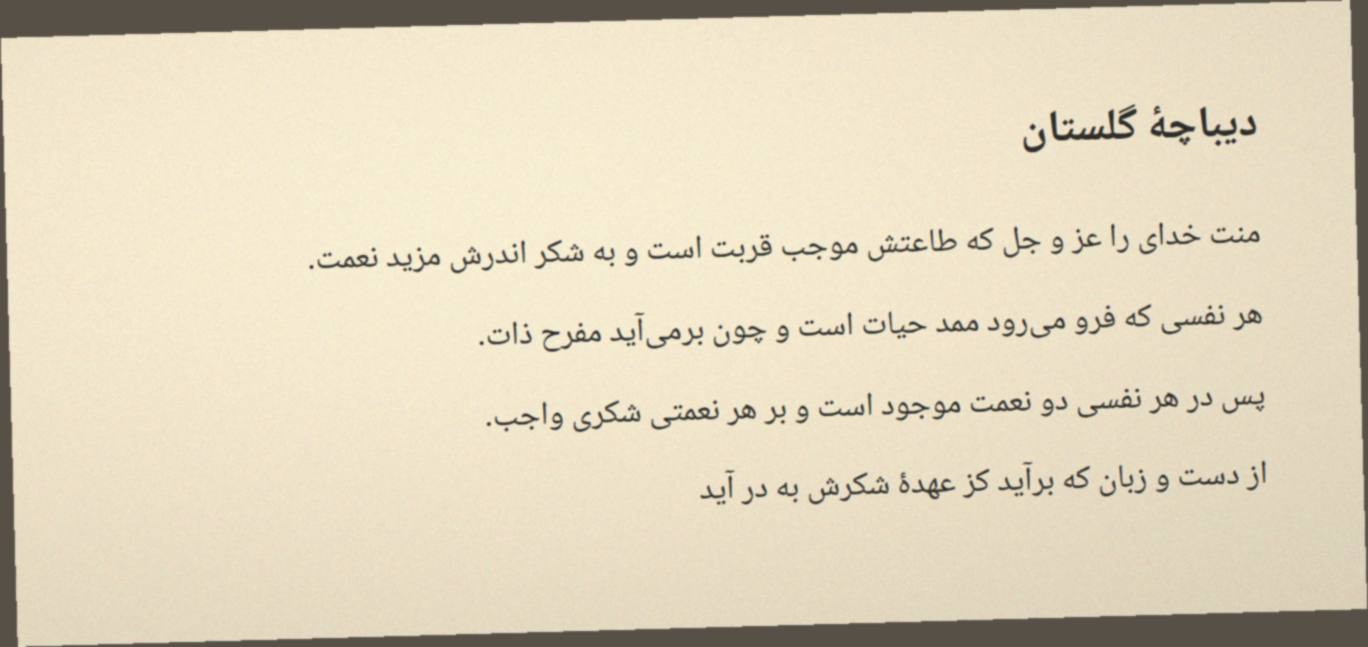
- 5 Classical prose, photographed (Saadi, Golestan)
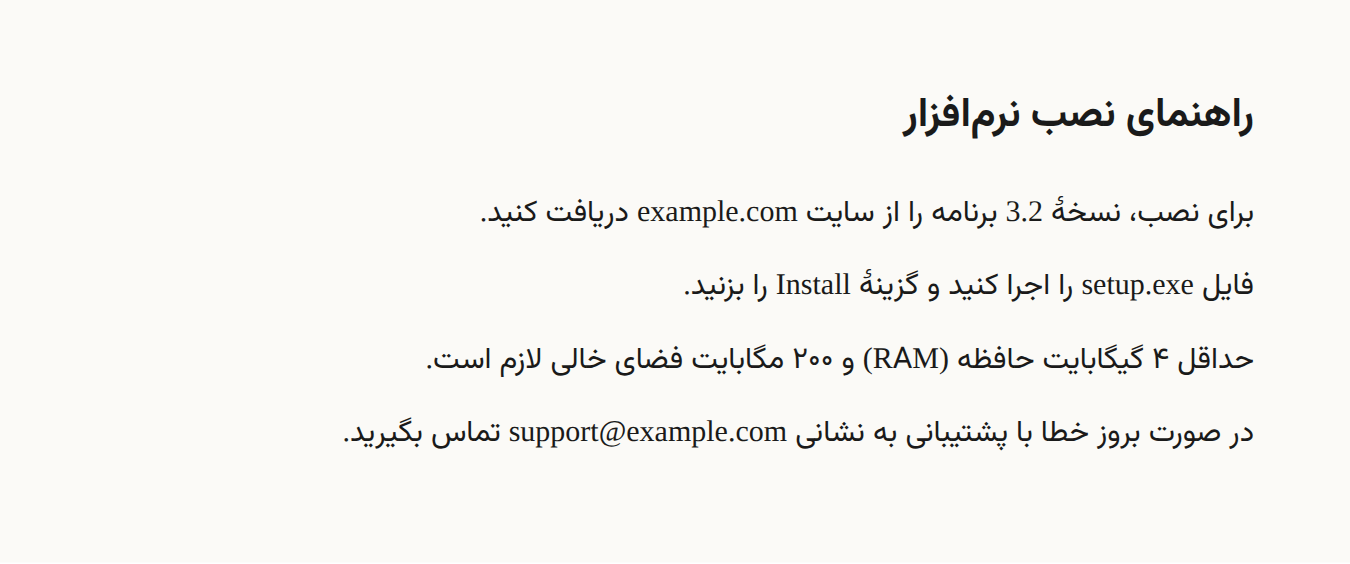
- 6 Persian mixed with English and numbers
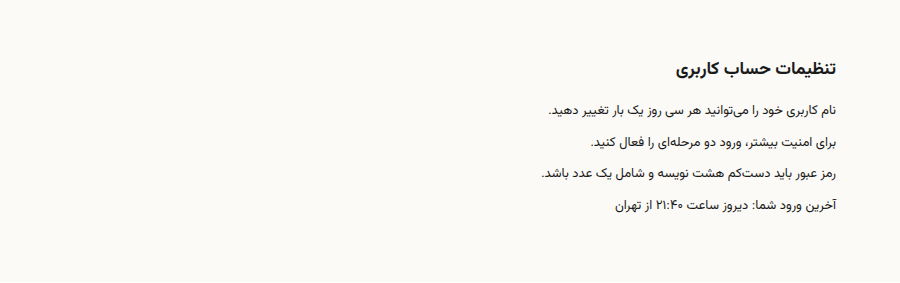
- 7 Small text, screenshot-like (13 px)
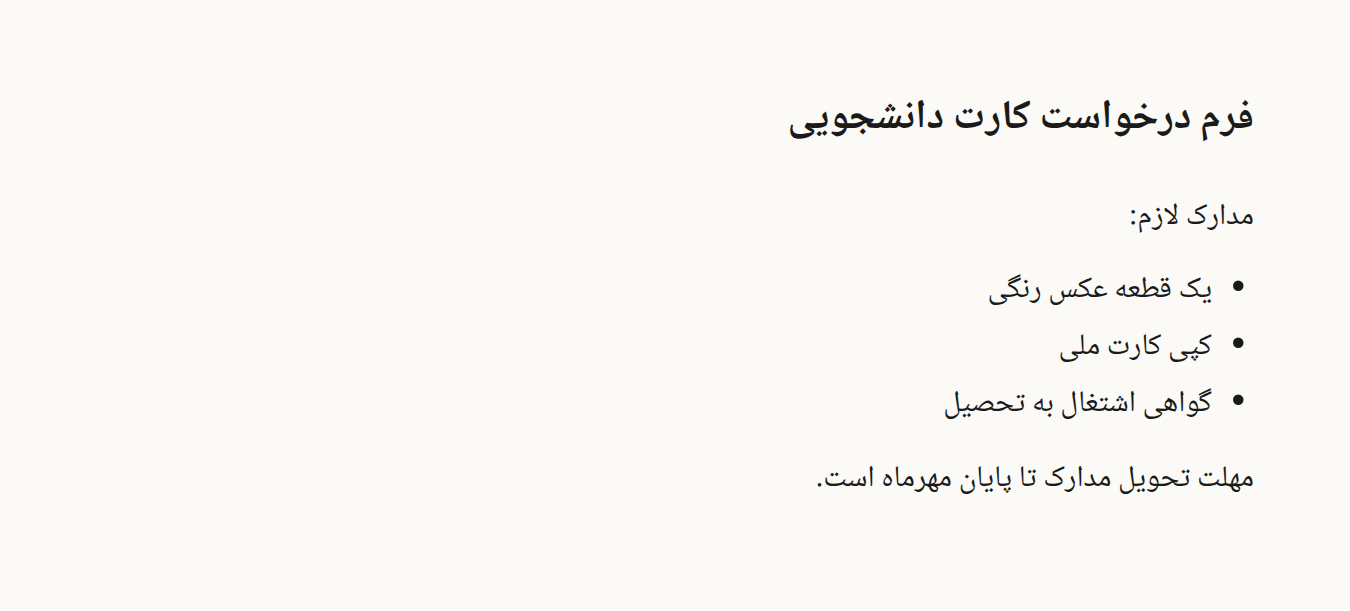
- 8 Form with headings and a list
The 8 Persian test pages
We know the correct text of every page, so every mistake can be counted exactly. The pages were rendered from that text; one was then printed and photographed with a phone. The classical texts are public domain (Hafez, Saadi); the modern texts were written for this test.
What each engine got wrong
- Nastaliq is the hardest page for everyone. Even the best engine got about a quarter of the Hafez page's characters wrong. Most models are trained on Naskh-style print, not calligraphy.
- EasyOCR reads letters well but breaks words. Its character score is good and its word score the worst: it often splits a word at the joins between letters, or runs two words together.
- Tesseract struggles with tables and mixed text. It got more than half of the invoice table wrong and almost a quarter of the Persian-English page, while doing reasonably on clean prose and the phone photo.
- Mistral Small sometimes drifts into another alphabet. On one plain Naskh page it wrote Persian words with Kurdish letters (ە instead of the Persian vowels), so almost every word came out wrong. It also reversed the column order of the invoice table.
To read pages from your own code, see the OCR API examples.
How the Persian OCR test works
- Every engine reads the same 8 images with its default settings, as its makers ship it.
- Before scoring, all output is normalised the same way: Arabic and Persian forms of ی and ک, digits, short vowels and Markdown marks don't count as errors. Character errors leave out spaces and the zero-width non-joiner, which Persian writers use inconsistently; word errors count them.
- The models marked "via Runemic" are open models made by Google, Meta and Mistral AI, called through the public Runemic API like any customer would. Runemic's own model, Rune-1, isn't in this test yet.
- Not tested yet: Google Cloud Vision, ABBYY FineReader, Adobe Acrobat and Mistral OCR (paid services), and the four open models now in the console (dots.mocr, LightOnOCR-3, KDL Frontier Parser nano and GLM-OCR; see the models).